

shipzero is iLEAP Approved: what interoperability buys cargo owners and LSPs
shipzero has become the third company worldwide to achieve iLEAP Approval, confirming its software is conformant with iLEAP, the open-source standard for exchanging logistics emissions data between independent parties. For cargo owners and LSPs, that means a new carrier, subcontractor, or client can be brought into a shared, seamless data exchange without a bespoke integration project each time.
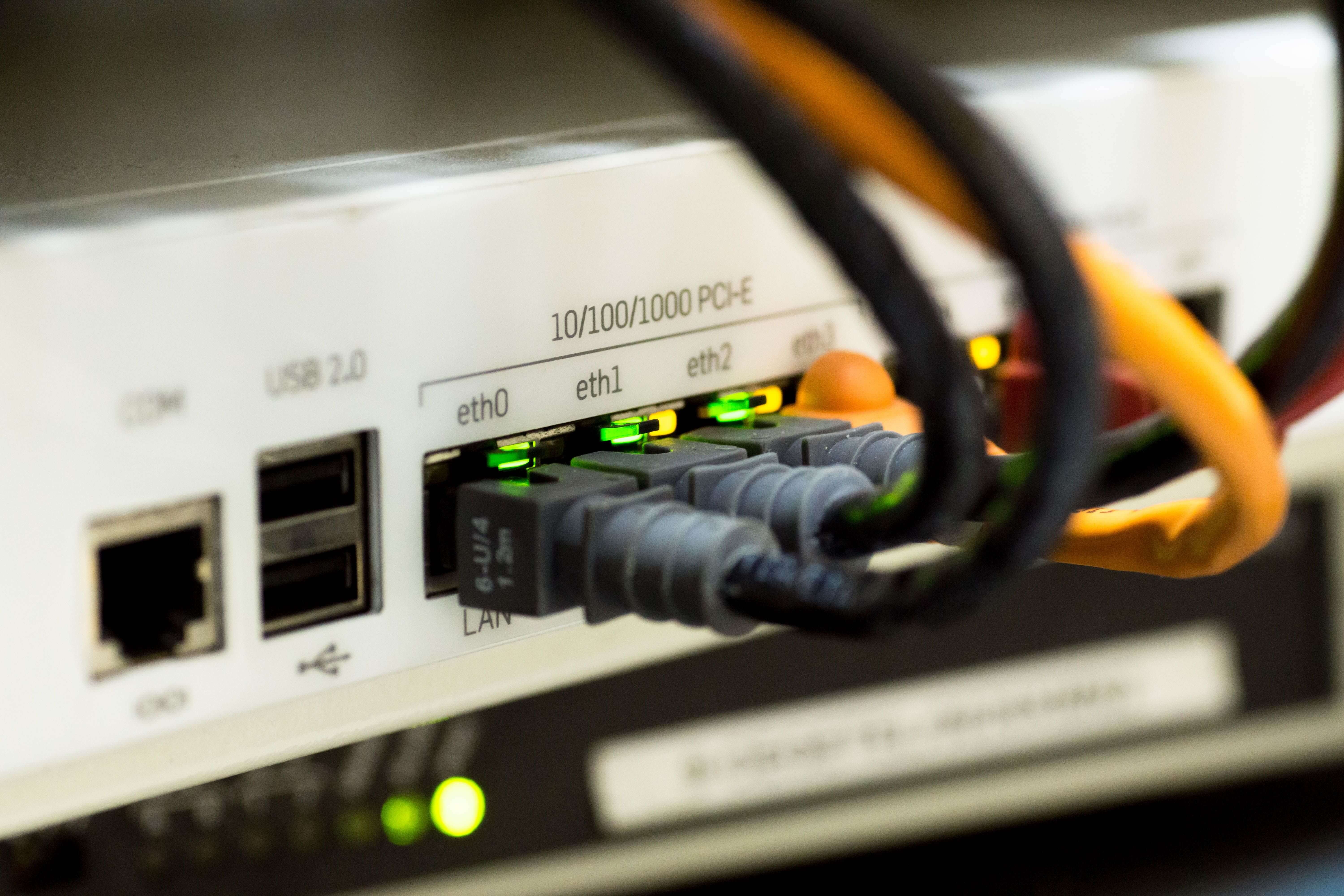
The iLEAP approval covers full conformance for Shipment Footprint and TOC & HOC exchange, assessed by the iLEAP Secretariat against the iLEAP Technical Specifications, Version 1.0, effective 13 August 2026 (Approval ID iLEAP-APP-0003).
What iLEAP actually is
iLEAP is the open-source data model and exchange protocol that lets software systems exchange logistics emissions data directly with one another. It is built in alignment with the GLEC Framework and ISO 14083 – the calculation methodology shipzero itself relies on – and is a joint initiative of Smart Freight Centre and the SINE Foundation. iLEAP works as the shared language and method of exchange that lets compatible software talk to each other directly – distinct from a platform, database, or service to connect to.
Smart Freight Centre describes iLEAP as becoming the standard for exchanging logistics emissions data across the industry. shipzero's role in that story is straightforward: independently confirmed conformance, achieved early. Conformance is only worth something because others can rely on it, which is why we see interoperability across the industry as essential for the ecosystem to thrive.
Where the commercial relevance sits
A cargo owner working with multiple LSPs, or an LSP working with multiple carriers and cargo owner clients, runs into the same recurring cost: every new counterpart in the chain becomes its own integration project – mapping formats, reconciling assumptions, negotiating what "the data" even means before anyone can use it. As Philipp Huhn, CIO at shipzero, who led the approval process, put it: "The standard lets new participants in the supply chain 'dock in' immediately." For the parts of the data model iLEAP standardizes, that removes the negotiation.
In practice: a Supply Chain Manager spends less time negotiating one-off formats with each new carrier or subcontractor. An LSP bringing on a new subcontractor mid-tender has usable, comparable emissions data from them sooner.
Built around the cargo owner perspective
Co-CEO Tobias Bohnhoff has pointed to why: iLEAP focuses in particular on the cargo owner perspective – how cargo owners can unify upstream and downstream data collection for product carbon footprints, where the supply chain plays a crucial role. For a Sustainability or Supply Chain Manager consolidating data from a fragmented set of transport partners, that is less time reconciling incompatible exports and more time using the data for what it is actually for – accounting, tendering, or reduction planning.
It is also a concrete way to test any vendor's interoperability claims: ask which body assessed the conformance, against which named and versioned technical specification, and when.


Related articles